

Endometriosis And Other Causes Of Pelvic Pain
Finding the Cause Behind Your Pelvic Pain
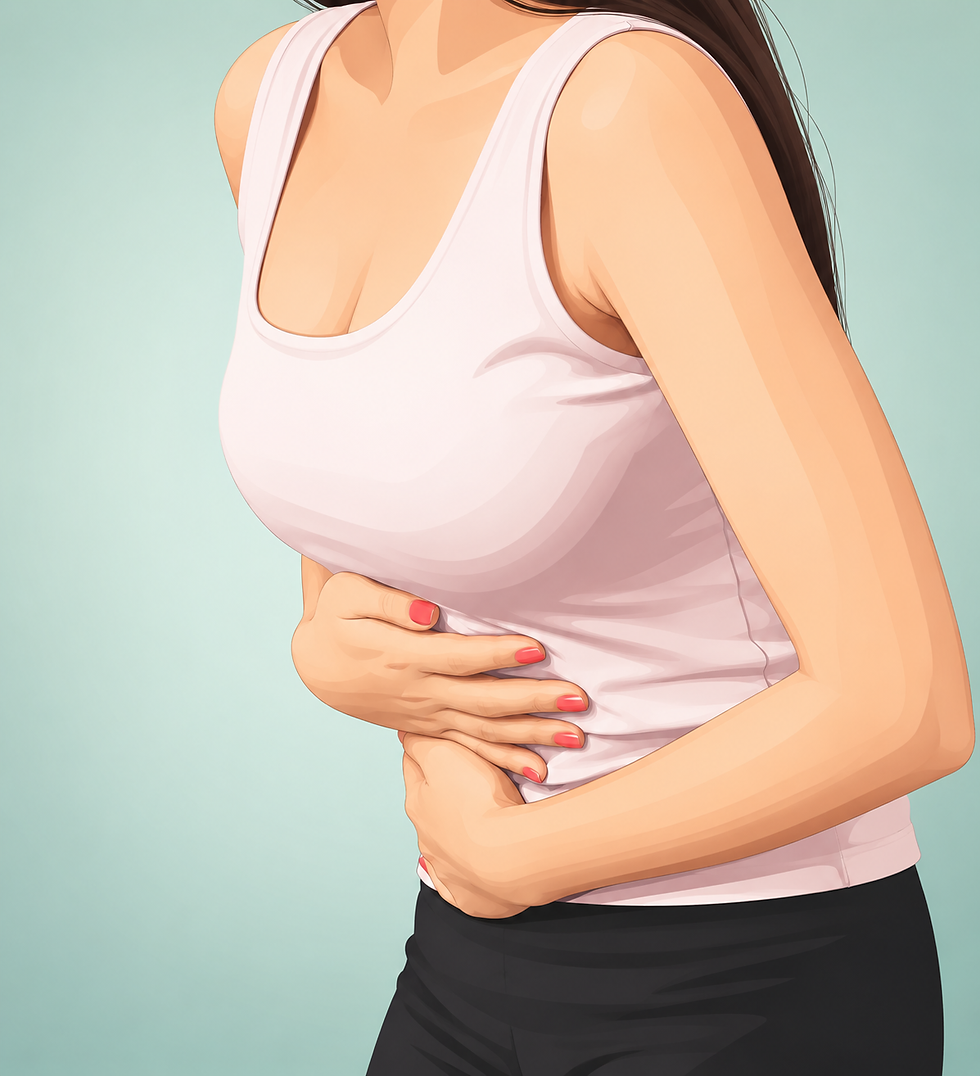
Endometriosis And Other Causes Of Pelvic Pain
Pelvic pain isn't something you should have to live with. While occasional discomfort can be normal, persistent or severe pain may be a sign of an underlying gynaecological condition such as endometriosis, adenomyosis or fibroids. Early diagnosis and the right treatment can help relieve symptoms, improve your quality of life and support your reproductive health.
Dr. Dhwany Munshi provides personalised evaluation and treatment for chronic pelvic pain, helping you understand the cause of your symptoms and choose the most appropriate treatment approach.
What Does Endometriosis & Pelvic Pain Care Include?
Endometriosis occurs when tissue similar to the lining of the uterus grows outside the uterus, often causing painful periods, pelvic pain, pain during intercourse and, in some cases, difficulty conceiving. Treatment is tailored to your symptoms, age, lifestyle and future pregnancy plans and may include medication or minimally invasive surgery when required.
Endometriosis


Adenomyosis is a condition where the inner lining of the uterus grows into the muscular wall of the uterus. It can lead to heavy menstrual bleeding, painful periods, pelvic discomfort and an enlarged uterus. Early diagnosis and personalised treatment can help manage symptoms and improve day-to-day comfort.
Adenomyosis
Fibroids are non-cancerous growths that develop in or around the uterus. While some fibroids cause no symptoms, others may lead to heavy bleeding, pelvic pressure, pain, or fertility concerns. Depending on their size, location and your symptoms, treatment may range from regular monitoring to medication or surgical management.
Fibroids


Pain that persists for several months or keeps coming back can have several possible causes, including endometriosis, adenomyosis, fibroids, pelvic infections or other gynaecological conditions. A thorough assessment helps narrow down the cause rather than simply treating the pain itself. Management is then planned according to the underlying condition and its impact on your daily life.
Chronic Pelvic Pain
What to Expect During Your Consultation
Your consultation begins with a detailed discussion about your symptoms, menstrual history and overall health. Depending on your concerns, Dr. Dhwany Munshi may recommend a physical examination, ultrasound or other investigations to determine the underlying cause. Once a diagnosis is made, a personalised treatment plan will be created based on your requirements.
Helping You Live More Comfortably
Living with ongoing pelvic pain can affect your work, relationships and physical as well as mental well-being. With timely diagnosis, personalised treatment and compassionate care, Dr. Dhwany Munshi aims to help you manage your symptoms effectively and improve your quality of life.

Frequently asked questions (FAQ's)
Your care doesn't end when your baby is born. The weeks following delivery are important for your recovery and well-being, which is why Postnatal Care is an important part of maternity care.

When a gynaecological condition requires surgical treatment, minimally invasive approaches may be considered where appropriate. Learn more about Minimally Invasive Gynaecology


